
About the Record
Lighthouse life was a disciplined practice of observation, care, and coastal duty.
Before automation, each tower depended on keepers who followed exact routines to keep the light reliable in all seasons.
The work combined technical skill, local weather knowledge, and constant maintenance. The four themes below outline the daily structure of keeper service along the northern coast.
-
Weather watching
Keepers logged wind, fog, and sea state throughout each watch, adjusting routines as storms, ice, or heavy mist altered visibility.
-
Lens tending
Fresnel glass, lamp housings, and fuel systems required careful cleaning and calibration so the beam stayed clear and correctly aligned.
-
Signaling
Light patterns, fog signals, and emergency notices followed established protocols to guide ships through reefs, shoals, and harbor approaches.
-
Structure maintenance
Masonry, ironwork, stairs, and keeper quarters were inspected and repaired continuously to resist salt, wind, and seasonal wear.
Keeper Profiles
Lives behind the northern lights
Four preserved snapshots from station logs and regional records, tracing the routines, weather, and solitude that shaped lighthouse service along the coast.

Principal Keeper · 1892–1908
Elias Ward
Ward’s entries note wick trimming before dawn, then weather bearings every two hours, with supply boats often delayed for days by fog and crosswinds.

Assistant Keeper · 1911–1922
Marta Iversen
Iversen maintained fuel tallies and fog-bell timings, writing that winter rotations were measured less by dates than by lamp glass and tide tables.
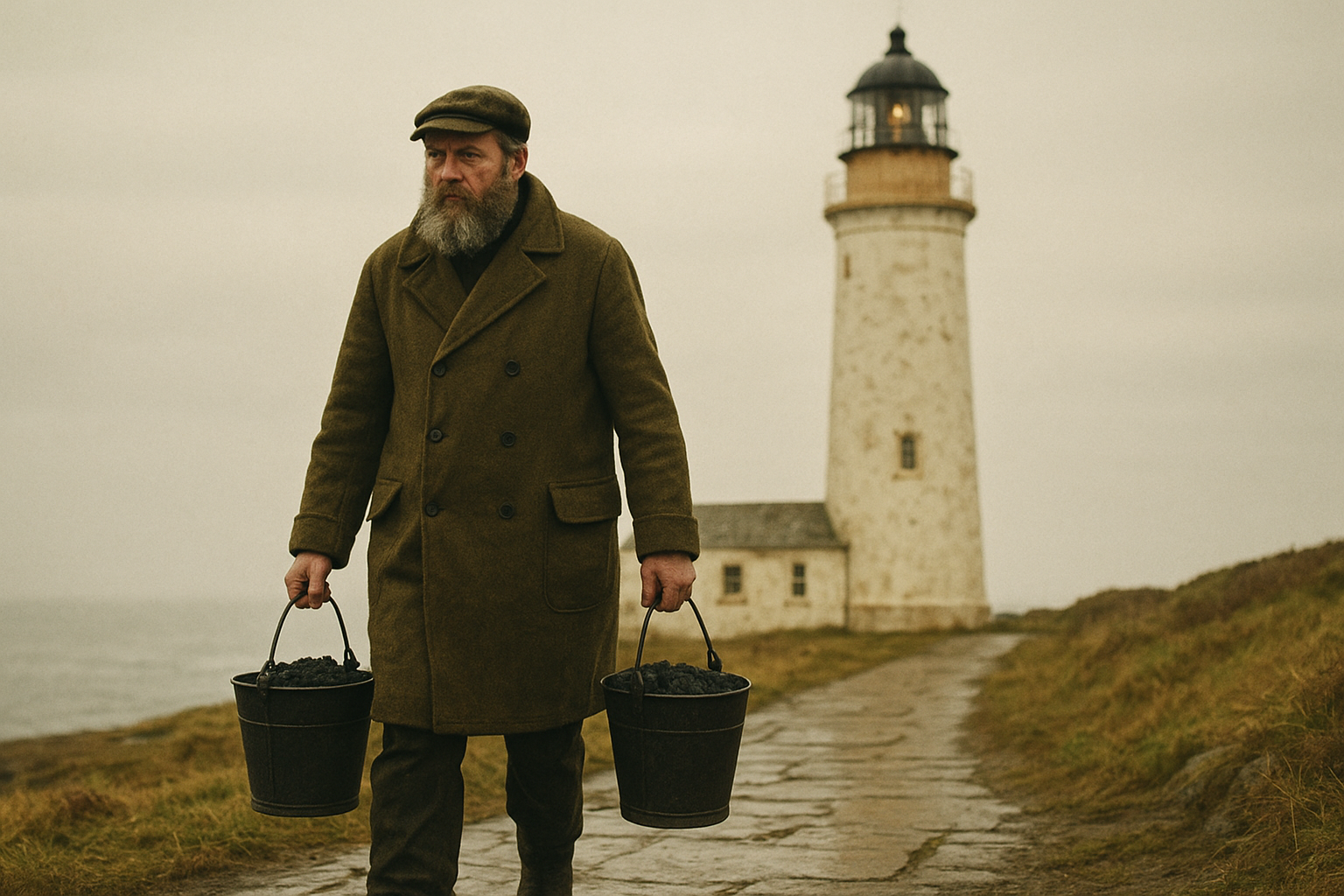
Relief Keeper · 1930s
Thomas Baird
Posted between three towers, Baird’s notes compare each station’s faults—salted hinges, cracked prisms, and stairs that froze after night rain.
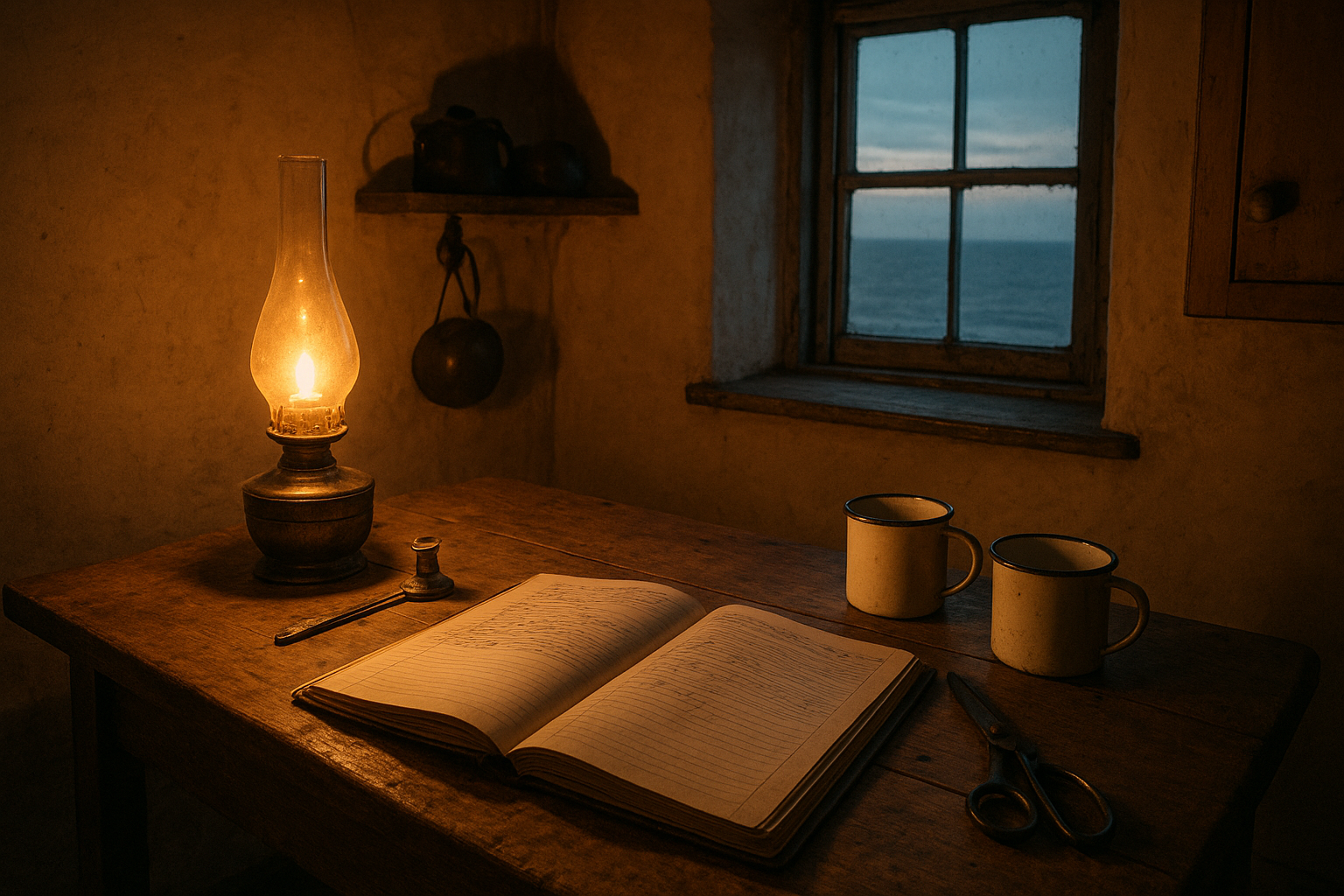
Family Keeper Household · 1950s
Anja Rydholm
Rydholm’s household records show shared duty cycles where meal hours, school lessons, and beacon checks were arranged around weather warnings.